

In the vast tapestry of Hindu mythology, few figures embody the essence of divinity and complexity as beautifully as Lord Shiva. Often referred to as the Destroyer within the holy trinity of Brahma, Vishnu, and Shiva, he transcends the binary of creation and destruction, symbolizing the eternal cycle of life. His imagery is rich and varied, capturing the hearts and imaginations of devotees and artists alike. From serene depictions of meditation to dynamic portrayals of cosmic dance, Lord Shiva images reflect not only his divine attributes but also the profound philosophies of spirituality and existence.
As we embark on a journey through this mesmerizing world of Lord Shiva imagery, we are invited to explore the layers of symbolism that each representation holds. These images serve as both a source of inspiration and a means of connection to the divine. Whether carved in stone, painted on canvas, or captured in photography, each portrayal tells a unique story, resonating with devotees while offering a glimpse into the transcendent qualities of the deity. Join us as we delve into the stunning visual expressions of Lord Shiva, revealing the beauty and depth that have captivated hearts for centuries.
The Symbolism of Lord Shiva
Lord Shiva, one of the principal deities in Hinduism, embodies a rich tapestry of symbolism that resonates through various aspects of life and cosmos. As the destroyer within the Holy Trinity, or Trimurti, Shiva's role is pivotal in the cycle of creation, preservation, and destruction. This duality reflects the natural balance of existence, underscoring that destruction is not merely an end, but a transformative process that paves the way for new creation. Thus, images of Lord Shiva serve as reminders of the impermanence of life and the necessity of renewal.
A significant symbol associated with Lord Shiva is the crescent moon, which adorns his hair. This represents the cyclical nature of time, signifying the phases of life, including birth, growth, decay, and rebirth. Additionally, the third eye of Shiva is emblematic of wisdom and insight, providing the ability to see beyond the superficial and perceive the truth behind illusions. This alertness to the spiritual realm is often depicted in art, enhancing the divine aspects of his imagery and inviting devotees to seek higher consciousness.
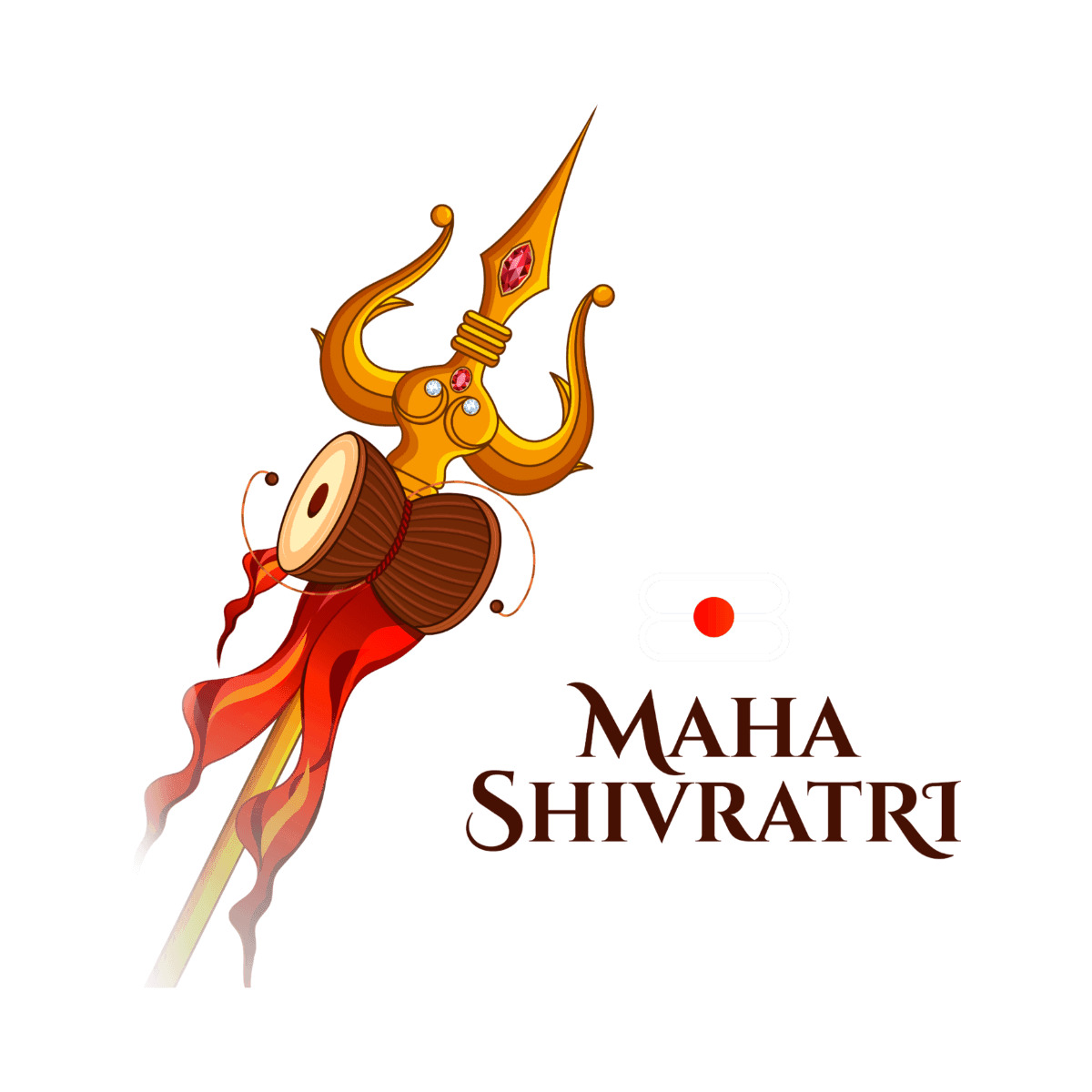
The trident, or trishula, is another powerful symbol associated with Lord Shiva. It represents the three gunas or qualities of nature: sattva (goodness), rajas (passion), and tamas (ignorance). Shiva's mastery over these qualities signifies his omnipotence and control over the cosmos. Images showing him wielding the trident reflect his role as a protector and destroyer of evil, reinforcing the belief that he ensures cosmic order. Through these rich symbols, imagery of Lord Shiva communicates profound spiritual teachings, encouraging followers to connect with the deeper meanings of existence.
Famous Artistic Representations
Throughout history, artists have drawn inspiration from the divine figure of Lord Shiva, capturing his essence in a wide range of artistic expressions. One of the most notable representations is the Nataraja sculpture, where Shiva is depicted as the cosmic dancer, symbolizing the rhythm of the universe. This dynamic image captures both the grace and power of the deity, often portrayed with multiple arms and surrounded by a circular frame of flames. The vibrant colors and intricate details of such sculptures highlight the significance of balance and harmony in the cosmic dance of creation and destruction.
In Indian painting, Lord Shiva is frequently represented in serene landscapes, with his mount, Nandi, often by his side. lordshivaimages emphasize his role as a protector and a guide, often highlighting his meditative state. The artistry in these paintings not only reflects the beauty of natural surroundings but also conveys a sense of peace and spiritual enlightenment. The color palettes used ranging from earthy tones to vivid hues enhance the contemplative mood of these scenes, inviting viewers to connect with the divine calmness that Lord Shiva embodies.
Modern interpretations of Lord Shiva have also emerged, blending traditional aesthetics with contemporary techniques. Artists experiment with various media, including digital art and mixed media, to create fresh imagery that resonates with today's audience. These innovative artworks often incorporate elements from pop culture, making Lord Shiva's timeless message accessible to a younger generation. Such representations bridge the gap between ancient beliefs and modern sensibilities, celebrating the enduring legacy of Lord Shiva in new and exciting ways.
The Spiritual Significance of Shiva Imagery
The imagery of Lord Shiva holds profound spiritual significance within the realm of Hinduism. Depictions of Shiva often convey the essence of creation, preservation, and destruction, representing the cyclical nature of the universe. By encompassing these dualities, Shiva images encourage devotees to reflect on the balance between opposing forces in life and the importance of harmony. The iconic symbols associated with Shiva, such as the trident and the crescent moon, serve as reminders of his multifaceted nature and the transcendence beyond the material world.
Furthermore, visual representations of Lord Shiva often invoke a sense of peace and serenity, inspiring followers to seek inner tranquility. In images where Shiva is shown in meditation atop Mount Kailash, he embodies the pursuit of spiritual enlightenment through detachment from worldly desires. Such imagery reminds seekers to look inward and connect with their spiritual essence, fostering a deeper understanding of themselves and their place in the universe. This focus on meditation and introspection is pivotal for spiritual growth.
Additionally, Lord Shiva imagery often incorporates vibrant colors and intricate designs, each element holding specific meaning that enriches the viewer's experience. lordshivaimages of blue symbolizes infinity and the vastness of the cosmos, while the snake draped around his neck signifies power over ego and fear. click here for more info in the depiction serves not only as an artistic expression but also as a vehicle for conveying deep philosophical teachings. As devotees engage with these images, they are invited into a dialogue with the divine, bridging the gap between the material and spiritual realms.